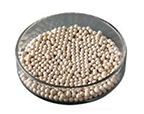
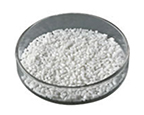
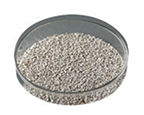
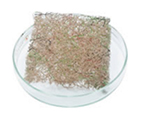
Q: What types of antibacterial water-treatment materials are available?
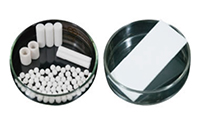
A: We offer granular materials (ceramic and plastic), crushed materials, porous bodies, and nonwoven fabrics. Other product forms can also be manufactured to meet customer requirements.
Q: How should we determine the appropriate dosage of Microkiller® antibacterial water-treatment material?
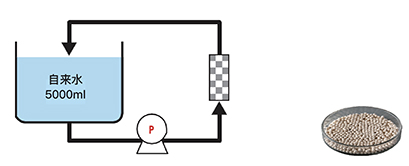
A: The required dosage depends on the operating environment, including the frequency of water replacement and the degree of contamination. As a general guideline, for circulation systems with limited water replacement, we recommend a dosage equal to 0.1% of the water volume. Performance should be verified in the customer’s actual operating environment in advance.
Q: Can Microkiller® antibacterial water-treatment material remove or break down biofilm (slime)?
A: Microkiller® antibacterial water-treatment material can inhibit biofilm formation, but it cannot remove or break down biofilm that has already formed. If biofilm is already present, clean the equipment before using Microkiller®.
Q: Does it inhibit algal growth?
A: Microkiller® antibacterial water-treatment material does not readily remove or break down existing algae, but it can inhibit further algal growth. If algae are already present in the equipment, clean the equipment before using Microkiller®.
Q: Can Microkiller® antibacterial water-treatment material be used to treat seawater?
A: The high chloride-ion concentration in seawater reacts with the silver ions in Microkiller® antibacterial water-treatment material to form silver chloride, reducing its antibacterial performance. Therefore, using Microkiller® to treat seawater is impractical.
Q: How can we determine when to replace Microkiller® antibacterial water-treatment material?
A: Because Microkiller® antibacterial water-treatment material neither changes color nor decreases in volume, the replacement time cannot be determined visually. As a general guideline, it is replaced once per year. Depending on the application, we work with the customer in advance to determine the appropriate amount of Microkiller® antibacterial water-treatment material required to ensure effective performance in actual use.
Q: Does Microkiller® antibacterial water-treatment material prevent scale or rust?
A: No. It does not provide either function.