


Antibacterial and Insect-Repellent Fiber Finishing Agent
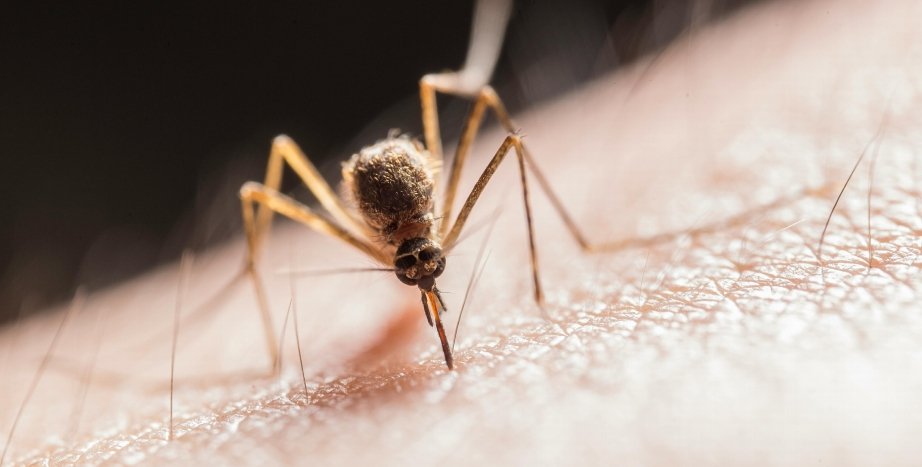
* Repels blood-feeding insects, flying insects, and other pests.
* Pad application with a binder improves wash durability.
Basic Properties
| Liquid | Emulsion | |
|---|---|---|
| Main Component | p-Methylbenzamide compound | Polyacrylic resin |
| Solubility | Dispersible in water | Dispersible in water |
| Ionic Character | Anionic | Nonionic |
Applications
Suitable for textiles such as everyday apparel, outdoor wear, and bedding.
Directions for Use
Recommended Dosage
| Liquid | 5–7% aqueous solution |
|---|---|
| Emulsion | 3–4% aqueous solution |
Treatment Method
Padding (100%) → drying (105°C × 5 min) → curing (130°C × 90 sec)
* Padding treatment is recommended.
* Pad application with a binder is recommended to improve wash durability.
* Addition during exhaust treatment is not recommended.
Mosquito-Repellency Test Method
Place 30 test mosquitoes in a cage measuring approximately 25 × 25 × 25 cm. At 25 ± 2°C and 70–80% RH, wrap the specimen around the subject’s arm so that no skin is exposed, then place the arm in the cage for 2 minutes. Record the number of mosquitoes that land on the specimen and calculate the landing rate using the formula below. Calculate the repellency rate by comparing the number of mosquitoes landing on the treated specimen with the number landing on the untreated specimen.
Test Results
| Specimen (110 g/m² Cotton Fabric) | Number of Washes | Test Insect | Number of Mosquitoes Landing | Landing Rate (%) | Repellency Rate (%) |
|---|---|---|---|---|---|
|
Treated with 5% Liquid Product Antibacterial and Insect-Repellent Treated Specimen |
0 Washes |
A B |
1 1 |
3.3 3.3 |
94.7 95.0 |
| 10 Washes |
A B |
4 5 |
13.3 16.7 |
78.9 75.0 |
|
| Untreated Specimen |
− − |
A B |
19 20 |
63.3 66.7 |
− − |
* Test insect: Aedes albopictus.
* Test insects A and B were both male.
Precautions
* The active ingredient is anionic; avoid contact with cationic components.
* Recommended curing conditions are 130–150°C for approximately 1 minute.
* As this is a water-dispersible product, separation may occur during long-term storage. Shake the container thoroughly before use and filter through a 50–100 mesh filter cloth.
* Use diluted finishing liquor on the day it is prepared.
* This agent contains a small amount of formaldehyde and must not be used on clothing for infants or young children. When applying at high concentrations, monitor residual formaldehyde.
* Before use, carefully evaluate all relevant dye fastness properties, including fluorescent whiteness, processing-related color change, lightfastness, and abrasion resistance.