



Microbial Control Technology
- Antimicrobial agent action mechanism: such as Microkiller antimicrobial agent's "cell membrane disruption + enzyme activity inhibition" dual mechanism, IONPURE/NOVARON inorganic antimicrobial agent's "ionic slow-release technology" (detailed description of how silver ions, zinc ions, and zinc ions continuously inhibit microbial reproduction). Ion Retardation Technology" of IONPURE/NOVARON inorganic antimicrobials (detailing how silver ions and zinc ions continuously inhibit microbial growth);
- Anti-mold efficiency testing standards: the test basis for the antimicrobial rate up to 99.99% under different scenarios (high temperature/high humidity) (refer to GB/T 21866-2008, JIS Z 2801 and other standards);
- Water treatment antimicrobial masterbatch "compatibility technology": how to integrate with substrates such as PP/PE without affecting the physical properties of the substrate.
Fine chemical customization technology
- "Active component loading technology" for specialty catalysts: e.g. how to enhance catalytic efficiency by regulating carrier pore size;
- Purity Control Process" for high-performance solvents: "Ultra-purification and debinding technology" for electronic-grade solvents (technology path for purity up to 99.999%);
- The "compounding synergistic technology" of functional additives: how to solve the problem of insufficient effect of single additives through multi-component compounding (e.g. synergistic adaptation of emulsifier + stabilizer).

Air Purification Material Technology
- "Porous structure design" of industrial adsorbents: e.g. pore size modulation technology for activated carbon / molecular sieves (adapted to different VOCs molecular diameters);
- Catalytic decomposer's "low-temperature active technology": how to achieve efficient decomposition of formaldehyde and toluene at a low temperature of 80-120°C (to avoid high-temperature energy consumption problems);
- "Long-lasting technology" for civil purification materials: e.g., "curing film-forming technology" for formaldehyde scavengers to prevent secondary release.
Basic industrial auxiliary technology
- Precise Regulation of HLB Value of Emulsifiers": How to adjust HLB value according to different fat / water systems to ensure emulsification stability;
- Particle encapsulation technology for dispersants: The principle of "spatial resistance" to prevent agglomeration of pigments/fillers;
- The "anti-aging mechanism" of stabilizers: e.g. how antioxidants trap free radicals and extend the life of industrial products.
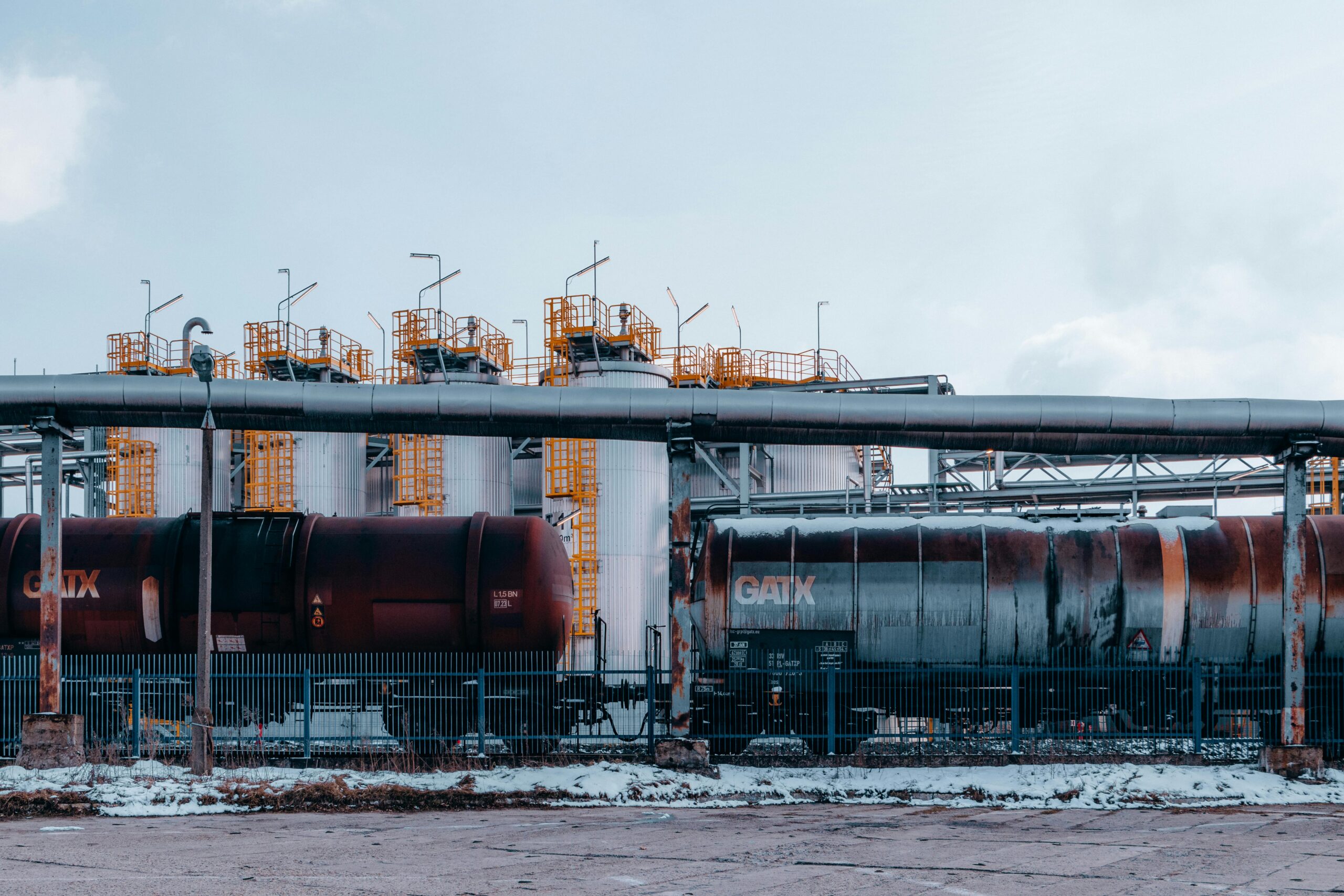
Built for efficient applications
Full Scene Chemical Technology Application Guide
Covering sub-industry application programs (textile antimicrobial fabric process, building materials, antimicrobial coating additive ratio, etc.), reminders of technical operation errors (antimicrobial compatibility, raw material storage conditions, etc.) and equipment adaptation recommendations (extruder temperature, adsorbent filling equipment selection, etc.), one-stop solution to the technical landing problems.
Sub-industry application program
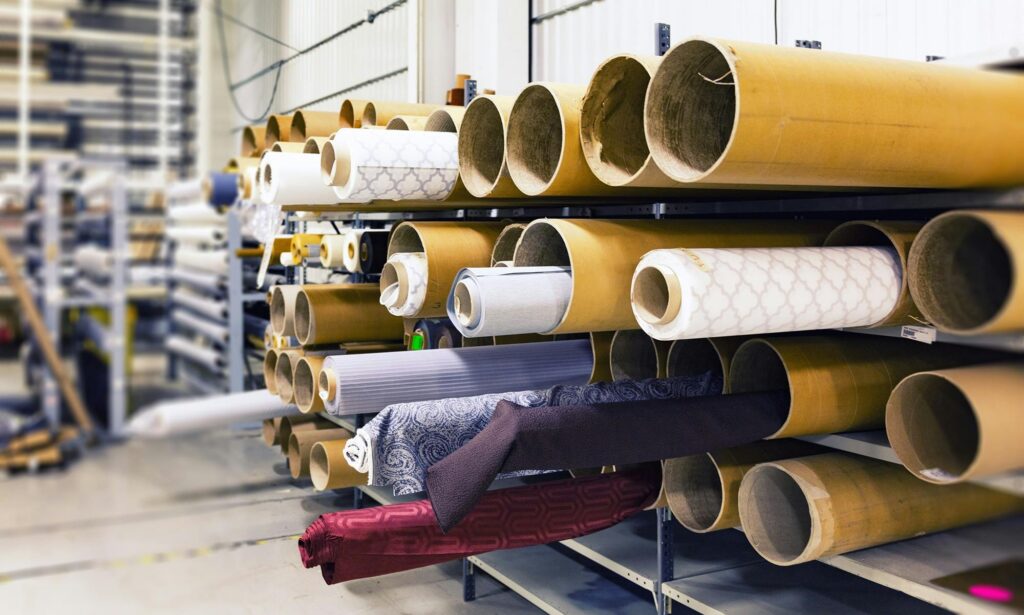
Textile industry

Building materials industry

Automotive

environmental industry
Common Technologies concern
Does the addition of antimicrobial agents affect the color / smell of the product?
Inorganic antimicrobial agents (such as IONPURE) are colorless and odorless powder, and do not change the color of the substrate when the additive ratio is ≤2%; organic antimicrobial agents are optimized through the “Low Odor Formulation Optimization”, and the odor residue is ≤0.5 level (refer to GB/T 35456-2017).
How long does the antimicrobial effect last?
The antimicrobial effect in textile fabrics can withstand 50 times of washing (GB/T 8629-2017 standard), and in building materials can be maintained for 5-8 years (based on laboratory accelerated aging test).
How long does it take to develop customized fine ingredients?
7-15 days for conventional formulations, 20-30 days for complex special formulations (e.g. electronic grade high purity solvents), small samples (100-500g) are available for first testing.
How to deal with industrial adsorbents after saturation?
Can provide “regeneration technology program” (such as high temperature desorption regeneration, regeneration efficiency of 85% or more), or recycling and disposal services.
Can basic industrial auxiliaries be mixed with other brands of auxiliaries?
It is recommended to do a small batch compatibility test first (provide test method guide), to avoid the reaction of different additive components affect the effect.