


PANCIL® PS-M Deodorant for Pets
What Is PANCIL PS-M?
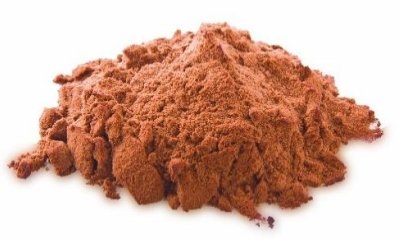
This food-grade deodorant ingredient is made from persimmon extract obtained from thinned Atago persimmons grown in Ehime Prefecture, with trehalose and sodium carbonate added. In addition to excellent deodorizing performance, it provides reducing and antioxidant capabilities, delivering outstanding antioxidant and deodorizing effects. |
Human Study Data
 PANCIL Breath-Odor Control Effect (PANCIL PS-M) — Fukuoka Dental College |
| Ingestion Study Confirming Reduction of Age-Related Body Odor and Fecal Odor |
| Four-Week Study of a Persimmon-Tannin Breath-Freshening Beverage (Containing 200 mg PS-M) on Breath and Fecal Odors |
Dog Study Data
Blood Testing and Fecal-Odor Evaluation after Repeated Administration of PANCIL PS-M to Beagles for Two Weeks
| Test Dogs | Two 8-Year-Old Male Beagles (11.9 kg and 14.30 kg) |
| Test Sample | PANCIL PS-M was added to feed at 7.5 mg/kg (250 g/day); the normal recommended intake is 2.5 mg/kg/day. |
| Feeding Method | Each animal was fed 250 g of feed containing the test sample once daily. |
| Test Period | 14 Days |
| Test Method | Crossover Test (Days 0–7: Normal Feed; Days 8–14: Feed Containing Test Sample) |
* Confirmed Effect on Improving Fecal Odor
Phenol and indole were used as indicators of fecal odor. Without administration, phenol and indole levels increased.
After administration, all substances except indole decreased. Notably, phenol and indole levels in one test animal fell below the detection limit.。
| Test Dogs | Phenol (μg/g) | Indole (μg/g) | |
|---|---|---|---|
| Without Administration | 1 | 4.9→8.2 (3.3) | 0.5→2.5 (2.0) |
| 2 | 4.8→6.3 (1.5) | 0.3→11.0 (10.7) | |
| During Administration | 1 | 8.2→7.6 (-0.6) | 2.5→6.5 (4.0) |
| 2 | 6.3→<0.3 (-6.0) | 11.0→<0.3 (-10.7) |
* Potential to Improve the Gut Microbiota Was Confirmed
Blood testing showed that acetic acid levels in test dogs 1 and 2 were higher during administration than without administration.
Acetic acid accelerates repair of intestinal mucosal wounds and helps maintain intestinal barrier function, preventing foreign substances from entering the body through the intestine.
| Test Dogs | Acetic Acid (nmol%) | |
|---|---|---|
| Without Administration | 1 | 46.45→46.12(-0.33) |
| 2 | 51.90→55.40(3.5) | |
| During Administration | 1 | 46.12→51.95(5.83) |
| 2 | 55.40→65.71(10.31) |
* Potential to Improve Metabolism Was Confirmed
Leptin is secreted by fat cells and acts on the hypothalamus, helping regulate appetite, energy expenditure, and glucose and lipid metabolism. An increase in leptin was observed during administration but not without administration.
| Test Dogs | Leptin (ng/mL) | |
|---|---|---|
| Without Administration | 1 | 6.25-3.31(-2.94) |
| 2 | 13.69-7.91(-5.78) | |
| During Administration | 1 | 3.31-4.63(1.32) |
| 2 | 7.91-8.84(0.93) |
* Potential to Increase Lactic Acid Bacteria Was Confirmed
In the gut microbiota, the F/B ratio (Firmicutes/Bacteroidetes) increased. Lactobacillaceae, which includes lactic acid bacteria, decreased without administration but increased during administration.
| Changes in Lactobacillaceae | ||||
|---|---|---|---|---|
| Test Dogs | Before | After | Difference | |
| Without Administration | 1 | 11.12 | 6.11 | 5.01 |
| 2 | 4.81 | 0 | -4.81 | |
| During Administration | 1 | 6.11 | 19.9 | 13.79 |
| 2 | 0 | 2.41 | 2.41 | |
※Safety Test Results
No significant changes were observed in general condition, body weight, body temperature, hematology, or blood chemistry during the study, indicating good safety at doses up to 7.5 mg/kg.