


ARONKASEI Vibration-Damping Elastomer AR-DM
What Is ARONKASEI Elastomer?
ARONKASEI Elastomers are next-generation standard materials that can replace vulcanized rubber and other materials.
Produced using our advanced formulation and compounding technologies, these high-performance products meet a wide range of customer needs and are used extensively in food, medical, daily necessities, household goods, home appliances, automotive products, toys, and many other fields.
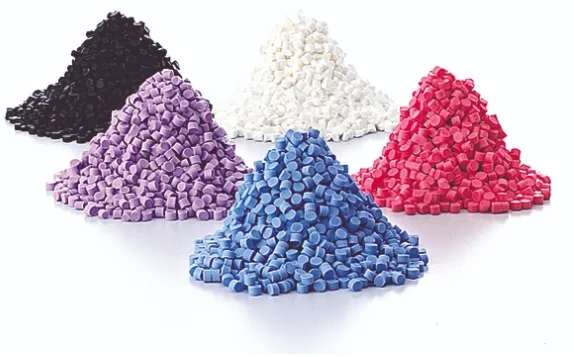
Achieving Both Cost Reduction and Environmental Protection,
Becoming the Next-Generation Standard Material
Thermoplastic elastomers provide rubber-like elasticity while being as easy to mold as general-purpose plastics. Suitable materials can be selected from multiple series according to the application, and their short molding process makes them highly promising replacements for cross-linked rubber. They are also recyclable, offering both cost and environmental benefits as a new generation of molding materials.
Features
● No Cross-Linking Required during Molding
● Excellent Processability and Recyclability Reduce Costs
● Can Be Colored Like General-Purpose Plastics
● Can Be Molded with Injection-Molding and Extrusion Equipment for General-Purpose Plastics
Comparison of Molding Processes
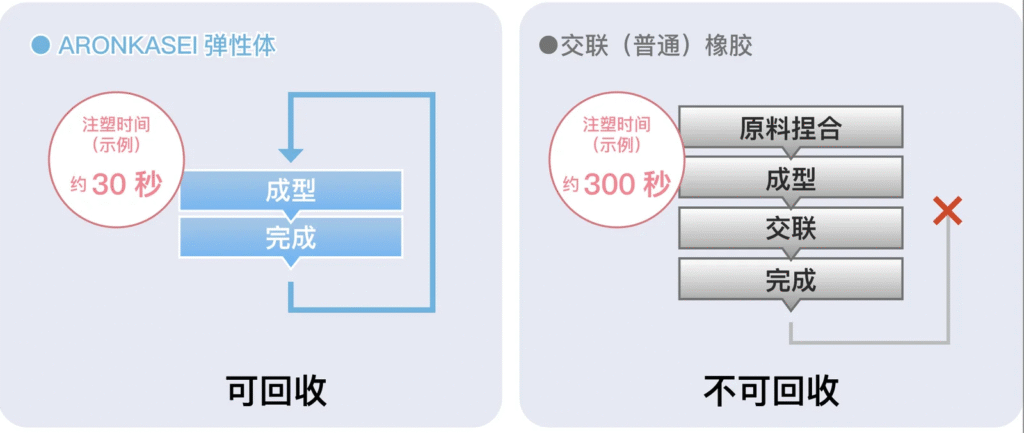
Styrenic Thermoplastic Elastomers (TPS): Elastomer AR / Arostomer
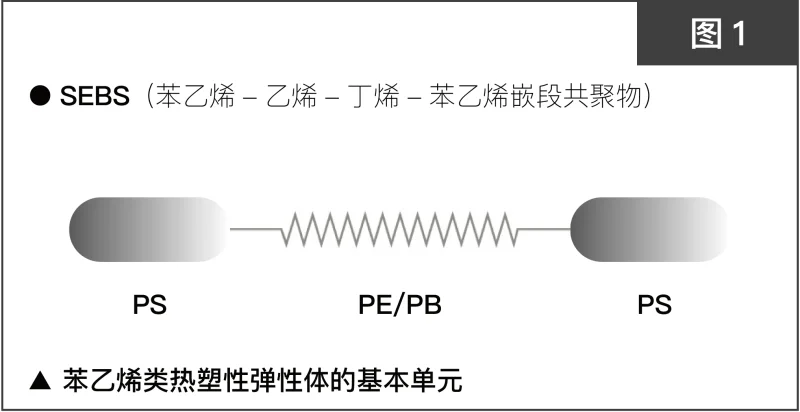
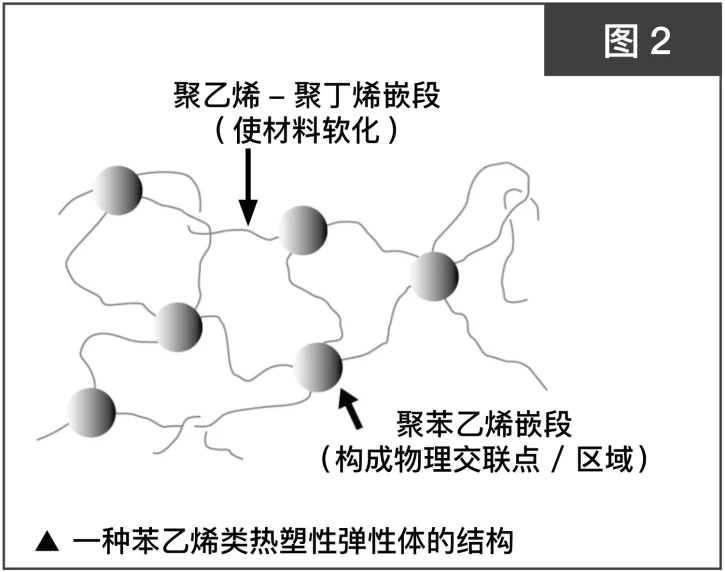
Styrenic thermoplastic elastomers have a basic unit structure in which polystyrene components (hard segments) and polyethylene-polybutylene components (soft segments) are block-copolymerized (Figure 1). These materials are generally referred to as SEBS. The terminal polystyrene blocks and the intermediate polyethylene-polybutylene blocks are chemically bonded, but they are thermodynamically incompatible at room temperature. The terminal polystyrene blocks therefore aggregate into ultrafine particles (microdomains) that are uniformly dispersed (Figure 2). These polystyrene microdomains act as physical cross-linking points equivalent to the cross-links in cross-linked rubber, giving SEBS its elastomeric properties. At temperatures of 140–230°C, however, the polystyrene and polybutadiene or polyethylene-polybutylene components melt together, enabling injection and extrusion molding and exhibiting the flow characteristics of a thermoplastic resin.
Both “Elastomer AR” and “Arostomer” are based on SEBS and offer a variety of functions, including hygiene, transparency, and vibration damping.
Common Features
● Excellent Rubber-Like Elasticity Comparable to Cross-Linked Rubber
● Excellent Cold Resistance, Ozone Resistance, and Flowability
● Excellent Resistance to Inorganic Chemicals such as Acids and Alkalis
● Lower Weight than Cross-Linked Rubber
AR-DM
AR-DM is a thermoplastic elastomer combining excellent vibration-damping properties and heat resistance. It can replace rubber such as butyl rubber and NBR or be used in various cushioning components.
Market Demand for Vibration Damping
Home Appliances and Office-Automation Equipment
Lifestyle diversification has increased nighttime activity.
Demand for quieter home appliances is increasing.
Suppressing noise generated by motor vibration during appliance operation has become an important challenge.
Demand for quieter home appliances is increasing.
Suppressing noise generated by motor vibration during appliance operation has become an important challenge.
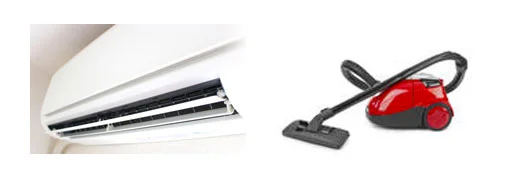
Vibration-Isolating Materials for Air Conditioners
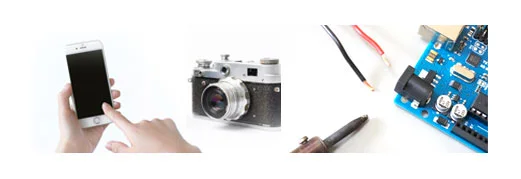
Motor Vibration-Damping Materials and Smartphone Cushioning Materials
Automotive
As vehicle electrification lowers overall noise levels, previously inconspicuous noise from outside or from drive components becomes more noticeable.
Greater emphasis on cabin comfort is increasing demand for quietness.
Demand for Vibration Damping and Sound Insulation Is Increasing
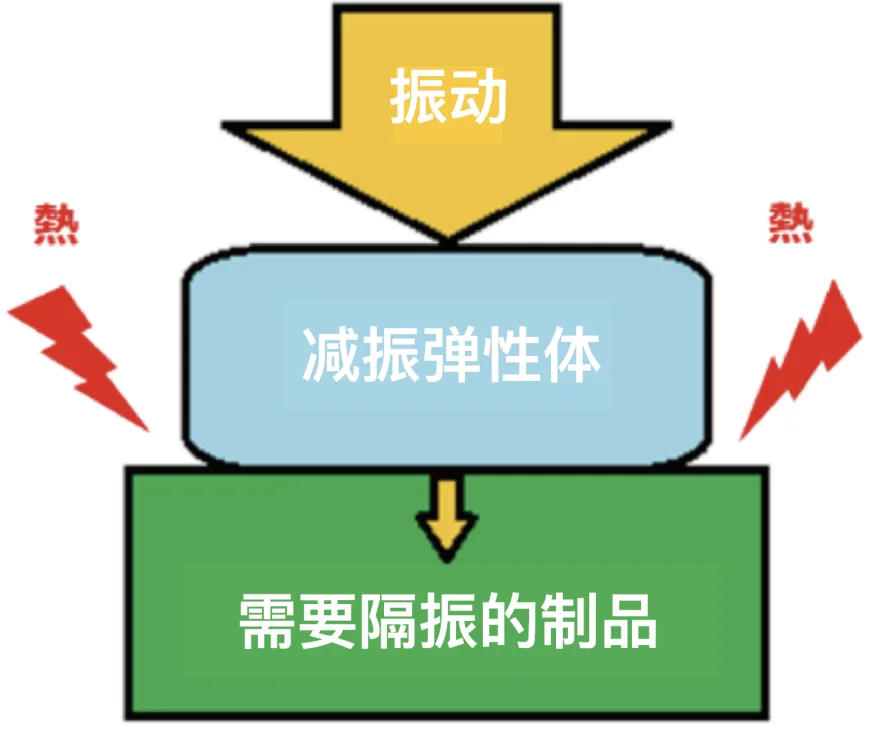
AR-DM Vibration-Damping Mechanism
The vibration-damping elastomer suppresses vibration by converting vibrational (kinetic) energy into heat.
AR-DM Features
1. Physical Properties
• Excellent rubber-like elasticity comparable to rubber
• Lower specific gravity than rubber, enabling weight reduction
• Compression set comparable to that of general-purpose elastomers
• Excellent chemical resistance to acids and alkalis
2. Molding
• Can be processed with injection-molding or extrusion equipment for general-purpose resins
• Can be integrally molded with rigid resins or metals through insert molding and heat-welded to olefin resins
• No vulcanization or cross-linking reaction is required during molding, providing high production efficiency
AR-DM Application Examples
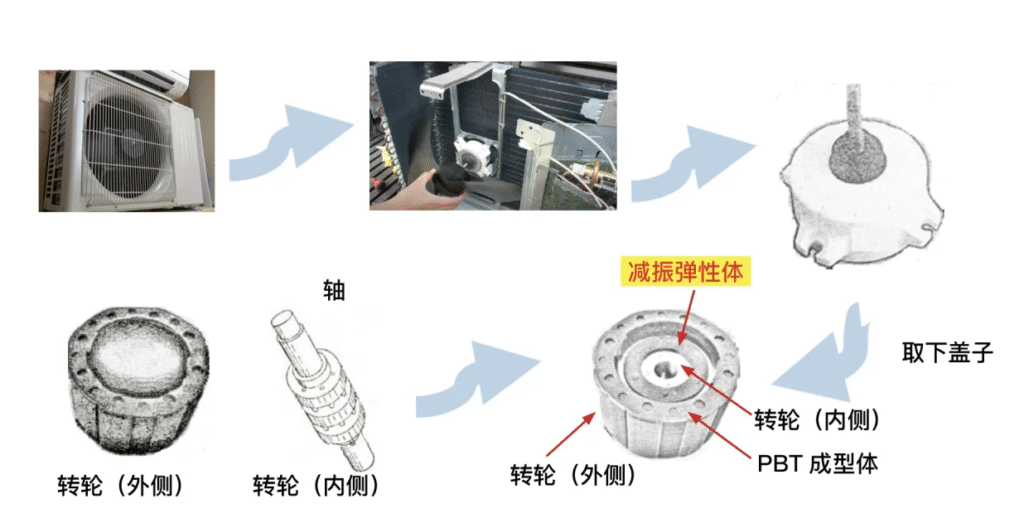
Engine Vibration
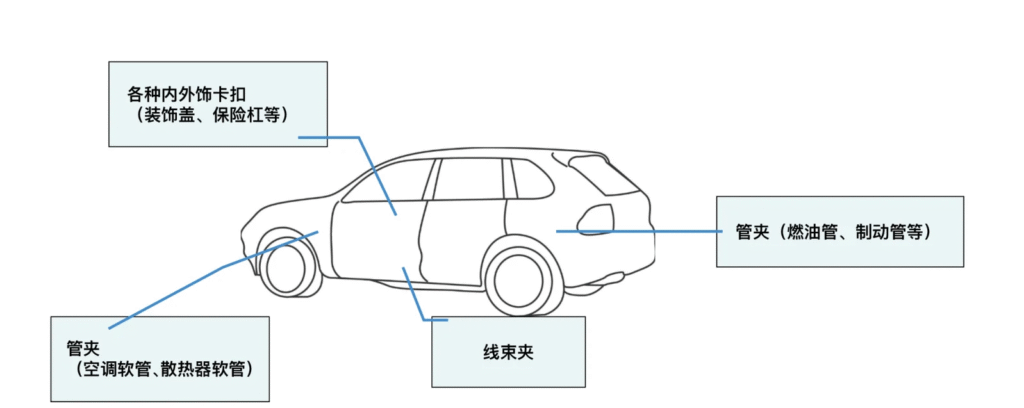
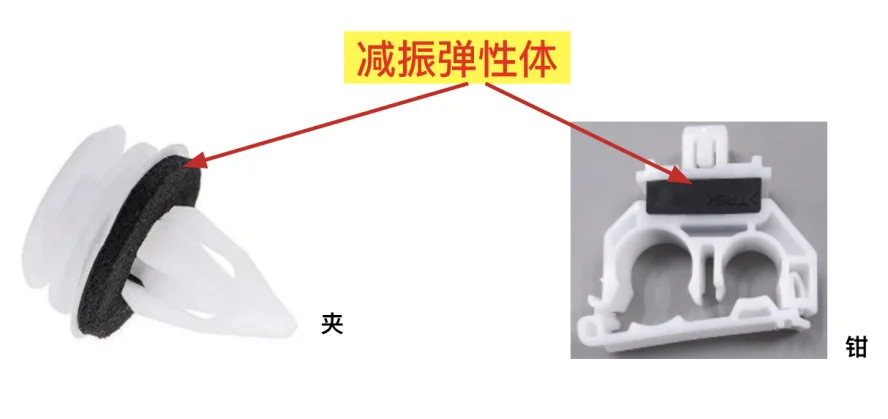
Engine Vibration
2. Automotive Clamps and Clips
·Clamp: Used to bundle and secure hoses, pipes, or wire harnesses.
·Clip / Fastener: Used to secure bumpers, interior trim panels, and other components.
3. Others
Speaker components, cushioning parts for mobile devices, etc.
Grades
| AR-DM Series | Air-Conditioner Applications | Standard | |||||
|---|---|---|---|---|---|---|---|
| Test Method | Unit | AR-DM- 30N | AR-DM- 50N | AR-DM- 70N | AR-S-4424 | TF-A40N | |
| Hardness | JIS K 6253A | Point | 31 | 48 | 70 | 40 | 41 |
| Specific Gravity | JIS K7112 | - | 1.20 | 1.15 | 1.22 | 1.08 | 0.98 |
| MFR | ASTM D 1237 | ” | 5 | 1 | 1 | 1 |
28 (200℃×49N) |
| (230℃×21.2N) | |||||||
| Tensile Strength | JIS K 6251 | M Pa | 3.0 | 5.0 | 8.0 | 4.0 | 6.6 |
| Elongation at Break | JIS K 6251 | % | 475 | 370 | 354 | 440 | 870 |
| Tear Strength | JIS K 6252 | kN/m | 13 | 20 | 10 | 18 | 15 |
| Rebound Resilience | JIS K 6255 | & | 10 | 14 | 10 | 46 | 57 |
| Taber Abrasion Loss |
JIS K 6264 (H-22, 1kg, 1000cs) | mg | - | 462 | 81 | 996 | 757 |
| Compression Set | JIS K 6262 | % | N.D. | N.D. | N.D. | 10 | 14 |
| 23℃×24hr | |||||||
| 70℃×24hr | 24 | 17 | 16 | 39 | 33 | ||
| 100℃×24hr | 22 | 23 | 20 | 53 | 59 | ||
| Softening Temperature | In-House Method* | ℃ | 98 | 100 | 121 | 76 | 73 |
| Brittleness Temperature | JIS K 6261 | ℃ | -36 | -34 | -10 | -54 | -60 > |
| tanδ(23℃) | In-House Method | 30Hz×5℃/min | 0.50 | 0.50 | 0.50 | 0.25 | 0.15 |
| Color (N = Natural, B = Black) | N | N | N | B | N / B | ||
Softening-temperature test method: Vicat softening temperature (heating rate: 50°C/hour; load: 2.5 N; temperature at 1 mm needle penetration).